
Revolutionizing Excavation with RodRadar

RodRadar: The Future of Digging Safely with Live Dig Radar® (LDR)
In the modern construction landscape, hitting an underground utility isn't just a "bad day"—it's a massive safety risk and a costly legal and financial nightmare. While traditional Ground Penetrating Radar (GPR) has been around for years, RodRadar's Live Dig Radar® (LDR) technology changes the game by moving that radar from a pre-project cart directly into the excavator's digging bucket.
Real-Time Detection: How LDR Works
The core of the LDR system is its ability to provide automatic, real-time alerts during the actual excavation process. Unlike static pre-dig surveys, the LDR scans the ground with every pass of the bucket, identifying utilities that may have shifted or were never properly documented.
- One-Button Operation: As Mike Sydow from FourSight Solutions highlighted at the 4Rivers Colorado Springs demo, the system is designed for simplicity. The operator sets the bucket down, drags it, and presses one button to see what lies beneath.
- LDR Visualize™ Tablet: Detections are displayed on an intuitive in-cab tablet. It uses advanced algorithms to filter out soil noise and highlight solid objects like gas lines, fiber optics, or water pipes.
- Stop Before Strike (SBS): The newest evolution of this tech actually integrates with the machine’s hydraulics to automatically stop the bucket before it strikes a utility, removing the element of human error entirely.
Why 4Rivers Equipment is Leading the Way
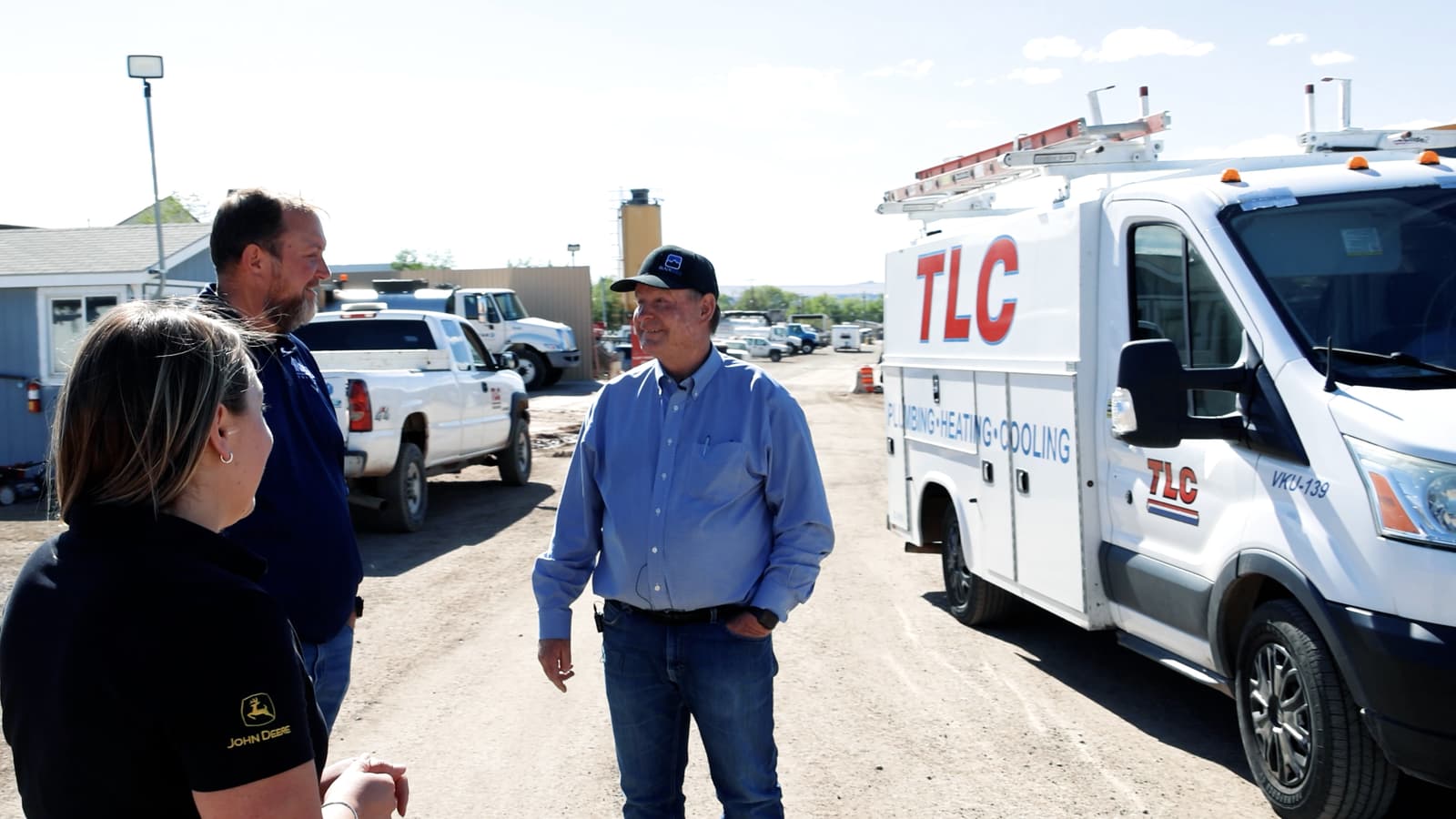
As a 9-time Onyx Circle winner, 4Rivers Equipment is dedicated to bringing "Working Partners" like RodRadar to our customers in Colorado, New Mexico, and Texas. This technology is particularly vital for urban projects where 100-year-old, undocumented utilities are a constant threat.
Key Benefits for Contractors:
- Zero Strikes: The ultimate goal is to eliminate utility strikes and the associated downtime.
- Novice Friendly: Because the interface is so simple, even operators with limited radar training can effectively avoid hazards.
- Harshest Environments: The LDR bucket is built as a standard General Purpose (GP) bucket, designed to withstand the same rugged conditions as any other John Deere attachment.
Experience the Technology: Live Demos
4Rivers Equipment is hosting live demonstrations to show exactly how this "Stop Before Strike" technology functions in the field. These events are the perfect opportunity for fleet managers and operators to see the ROI of a "smart bucket."
Date | Location | Featured Technology |
March 18, 2026 | Albuquerque, NM | LDR Excavate™ Bucket & Live Tablet Demo |
March 20, 2026 | El Paso, TX | Stop Before Strike (SBS) Hydraulic Integration |
Common Questions About RodRadar (FAQ)
Does the LDR bucket replace 811 "Call Before You Dig"?
No. LDR is designed to be the "last line of defense." You must still follow all local regulations and 811 locate procedures. RodRadar's technology is there to catch what those maps might have missed.
Can the system be moved between different excavators?
Yes! As long as the Platform Kit (wiring and junction box) is installed on the machine, the LDR bucket can be moved between compatible excavators in your fleet.
What utility types can it detect?
The system is capable of detecting all types of utilities, including gas, power, fiber optics, sewage, and water lines, regardless of the material (plastic, metal, or concrete).
How deep can it see?
LDR is designed to alert the operator of what is in the "next bite." It focuses on the immediate area beneath the bucket to ensure precision during live digging rather than mapping deep-seated structures.
Don't leave your jobsite safety to luck. [Contact 4Rivers Equipment] today to learn more about adding RodRadar LDR technology to your fleet or to RSVP for an upcoming demo.
Experts Review RodRadar's Groundbreaking Tech
This video features first-hand accounts from experienced operators and project managers who have used the LDR technology on active jobsites to improve safety and avoid utility strikes.
EXPERT GUIDE FOLLOW-UP
Since you're exploring RodRadar's utility-detection tech, are you looking to implement this on a specific upcoming urban project, or are you primarily interested in how it integrates with your existing John Deere fleet's JDLink telematics?